Physical Activity Guidelines

The Active Eastbourne and Lewes partnership is dedicated to promoting healthier lifestyles by encouraging residents to engage in regular physical activity.
The Active Eastbourne and Lewes partnership is dedicated to promoting healthier lifestyles by encouraging residents to engage in regular physical activity. Whether you’re a seasoned athlete or just beginning your fitness journey, understanding the national guidelines and local opportunities can help you make informed decisions about your health.
Physical Activity
Public Health England recommends that adults (aged 19-64) should aim for at least 150 minutes of moderate or 75 minutes of vigorous physical and 2 ‘strength’ sessions per week. Moderate intensity physical activity can be broken down into 5 days of 30 minutes a day. For older adults (aged 65+), the guidelines are similar, with more emphasis on activities that improve balance and coordination to prevent falls.
What qualifies as physical activity?
The World Health Organisation (WHO) definition is ‘any movement produced by skeletal muscles that require energy expenditure’.
As you can see from the WHO definition, physical activity can be carried out anytime, anywhere, with any activity that your body performs which requires energy for it to move. Moderate-intensity activities elevate your heart rate and breathing but still allows you to hold a conversation. Examples of these include:
- Brisk walking
- Cycle on level ground
- Dancing
- Water aerobics
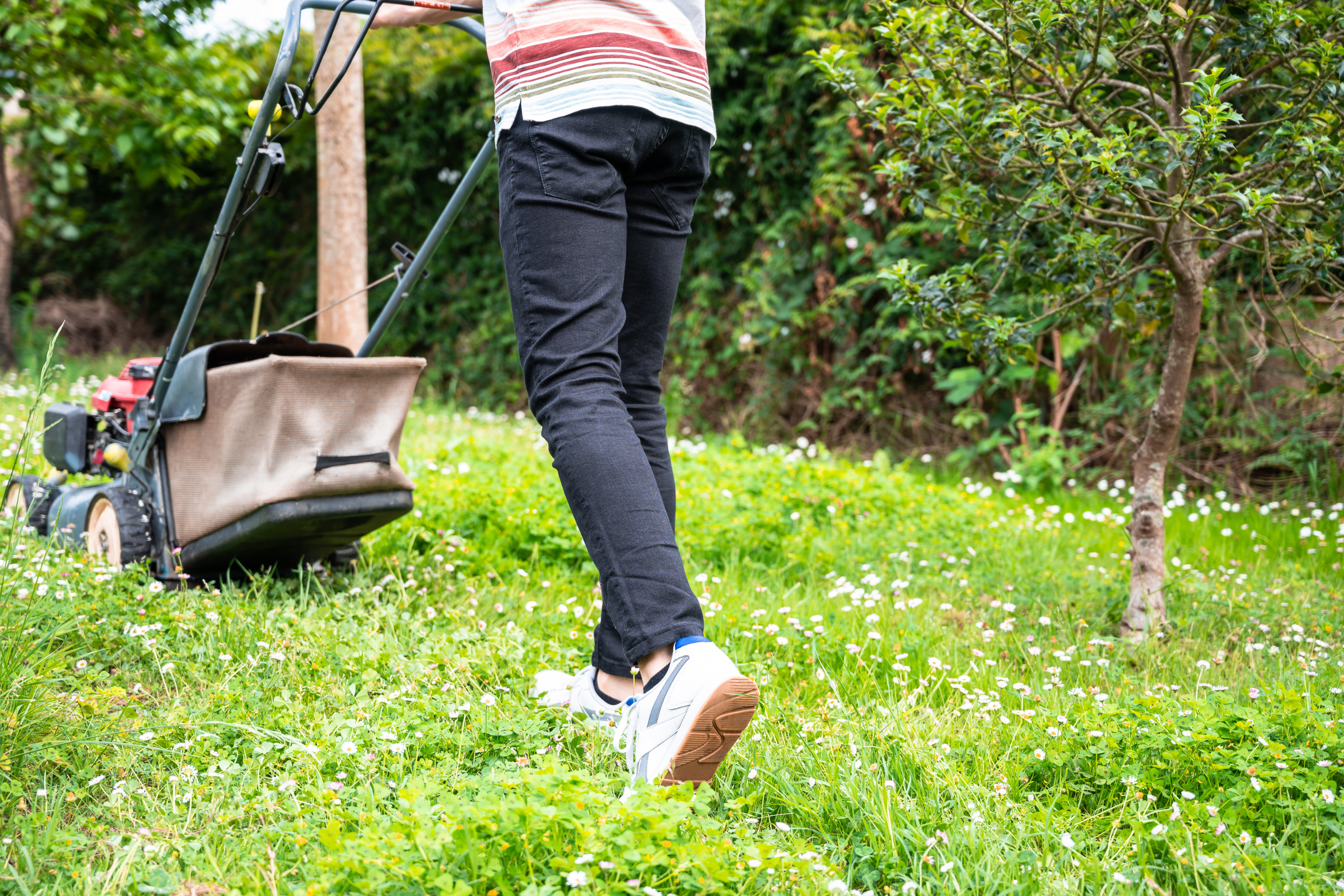
- Pushing a lawn mower
- Hiking
Taking part in these activities for at least 30 minutes, five days a week can help you meet the recommended 150 minutes a week.
Why do we want more people to be physical active?
Inactivity is now considered one of the biggest public health challenges. Sedentary lifestyles — too much sitting, too little movement — are linked to increased risks of chronic diseases, mental health issues, and even early death. The body is designed to move, and when we don’t, every system is affected — from our cardiovascular health to our mood and metabolism.
The Public Health England (PHE) framework, outlined in the report “Everybody Active, Every Day,” highlights the critical role of physical activity in health and well-being. The report highlights that physical inactivity is the 4th leading risk factor for global mortality and costs the UK an estimated £7 billion annually.
Incorporating more movement doesn’t have to be daunting. Walk or cycle instead of driving, take the stairs, join a dance class, do a few stretches during TV breaks, or go for a swim. Every bit adds up.
Ultimately, physical activity is about more than fitness — it’s about living well. By moving more and sitting less, we give ourselves the best chance to live longer, healthier, and happier lives.
By increasing physical activity, we not only reduce healthcare costs but also gain significant personal benefits:
- Reduced Risk of Diseases: Being physically active can lower your risk of cardiovascular diseases, coronary heart disease, and stroke by 20-35%. It also helps reduce the risk of obesity, osteoporosis, colon and breast cancer, and supports improved mental health.
- Improved Quality of Life: Regular physical activity contributes to a better quality of life and extends healthy life expectancy. Currently, in East Sussex, the healthy life expectancy is about 15 years shorter than overall life expectancy. For instance, if life expectancy is 75 years, quality of life may start to decline around age 60, which is often before retirement.
Incorporating more movement into daily routines can lead to substantial health improvements and a more enjoyable and longer life.
The graph referenced below illustrates the impact of lifestyle choices and physical activity on the quality of life as we age:
The Blue Line: Represents the typical decline in muscle strength, bone strength, and balance as we age. This decline can be hastened by factors such as smoking, excessive alcohol consumption, poor diet, and inactivity. Life events like accidents, pregnancy, and menopause can also contribute to this decline. As a result, individuals may experience a quicker decline in health, potentially leading to earlier entry into care facilities and greater financial spend on care.
The Green Line: Demonstrates the benefits of maintaining a healthy lifestyle, including regular physical activity, a balanced diet, avoiding smoking, and moderate alcohol consumption. This healthier lifestyle can help sustain muscle strength, bone health, and balance for a longer period, leading to a higher quality of life. People following this path may enjoy living independently for longer, have more savings available for leisure activities (like holidays), stay active with grandchildren, and remain socially engaged.
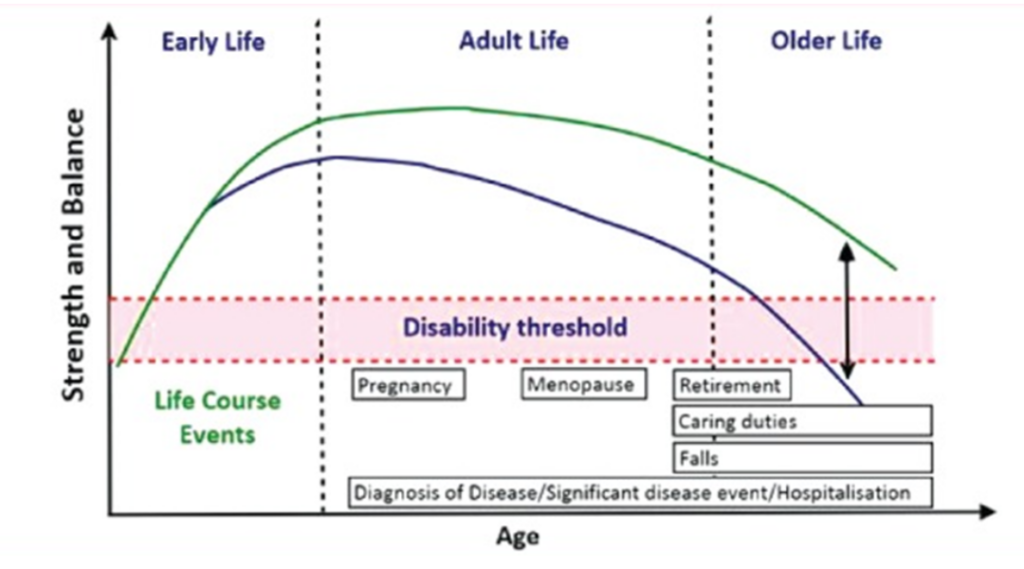
Graph taken from Skelton DA, Mavroeidi A (2018) How do muscle and bone strengthening, and balance activities (MBSBA) vary across the life course and are there particular ages where MBSBA are important. Journal of Frailty, Sarcopenia and Falls 3 (2) : 74-84.
Tips for Getting Started
- Set Realistic Goals: Begin with manageable activities and gradually increase intensity and duration.
- Incorporate Activity into Daily Life: Opt for stairs over lifts, walk or cycle for short trips, and take regular breaks from sitting.
- Find Enjoyable Activities: Choose exercises that you enjoy to maintain motivation.
- Stay Consistent: Regular activity, even in short bouts, contributes to overall health.
Physical activity is often referred to as a “miracle cure” due to its profound benefits in preventing and treating numerous health conditions. It’s never too early or too late to start moving more.
Here’s a summary of the benefits of physical activity across different age groups and for various needs:
|
Ages 0-5 Benefits of being active at a young age include: · Building relationships and social skills · Developing muscles and bones · Enhancing movement and coordination skills · Improving sleep · Maintaining a healthy weight
|
Ages 5-19 In addition to the benefits for younger children, exercising during these years also: · Improves concentration and learning · Boosts self-confidence and mood · Enhances overall health and fitness
|
|
Ages 20-64 In this age group, physical activity continues to offer all previous benefits, and additionally: · Helps manage stress · Improves sleep quality · Maintains a healthy weight · Enhances fitness and muscle mass · Improves quality of life and daily functioning · Reduces the risk of diseases, such as: o Type II Diabetes by up to 40% o Cardiovascular disease by up to 35% o Joint and back pain by up to 25% o Certain cancers by up to 20%
|
Ages 65+ For older adults, the benefits include: · Reducing the risk of falls (strength and balance exercises can reduce fall rates by up to 32% and fall risk by up to 22%) · Helping maintains cognitive function · Reducing cardiovascular risk · Assisting with daily living activities · Improving mood and self-esteem
|
|
Physical Activity for Disabled Children and Young People Benefits include: · Meeting new people · Increasing confidence and concentration · Enhancing mental health · Decreasing stress levels · Improving motor skills, muscle development, balance, and coordination
|
Physical Activity for Disabled Adults Benefits include: · Enhancing mental health and quality of life · Facilitating healthier weight maintenance · Making daily tasks easier and increasing independence · Strengthening muscles and bones · Improving mobility, balance, and fitness · Helping to prevent chronic diseases · Providing opportunities to connect with others in the community
|
|
Physical Activity for Pregnancy and After Childbirth Pregnant Women: · Improves mood · Enhances sleep · Helps manage high blood pressure · Reduces the risk of gestational diabetes · Controls weight gain · Boosts overall fitness
|
Childbirth to 12 Months: · Provides personal time, reducing worries and depression · Improves fitness and mood · Enhances sleep quality · Strengthens tummy muscles · Aids in returning to pre-pregnancy weight
|
Find all this information on infographics at:
https://www.gov.uk/government/collections/physical-activity-guidelines
Before starting a physical activity plan, especially if you have specific health concerns or conditions, consult with your local exercise provider. You may want to inquire about their expertise in areas such as:
· Safe exercise practices for your specific condition
· Modifications for different abilities and needs
· Specialised programs tailored to your goals and health status